Experienced Siding Solutions to Optimize Your Home's Curb Appeal
Increasing a home's visual appeal often starts with its exterior finish. Expert siding services play an critical role in this process. High-quality materials and skilled installation can enhance a property's facade. Homeowners should be mindful of warning signs suggesting that an renovation is necessary. Understanding these elements can greatly impact both aesthetics and worth. What factors should one assess when exploring siding options? The answer might impress you.
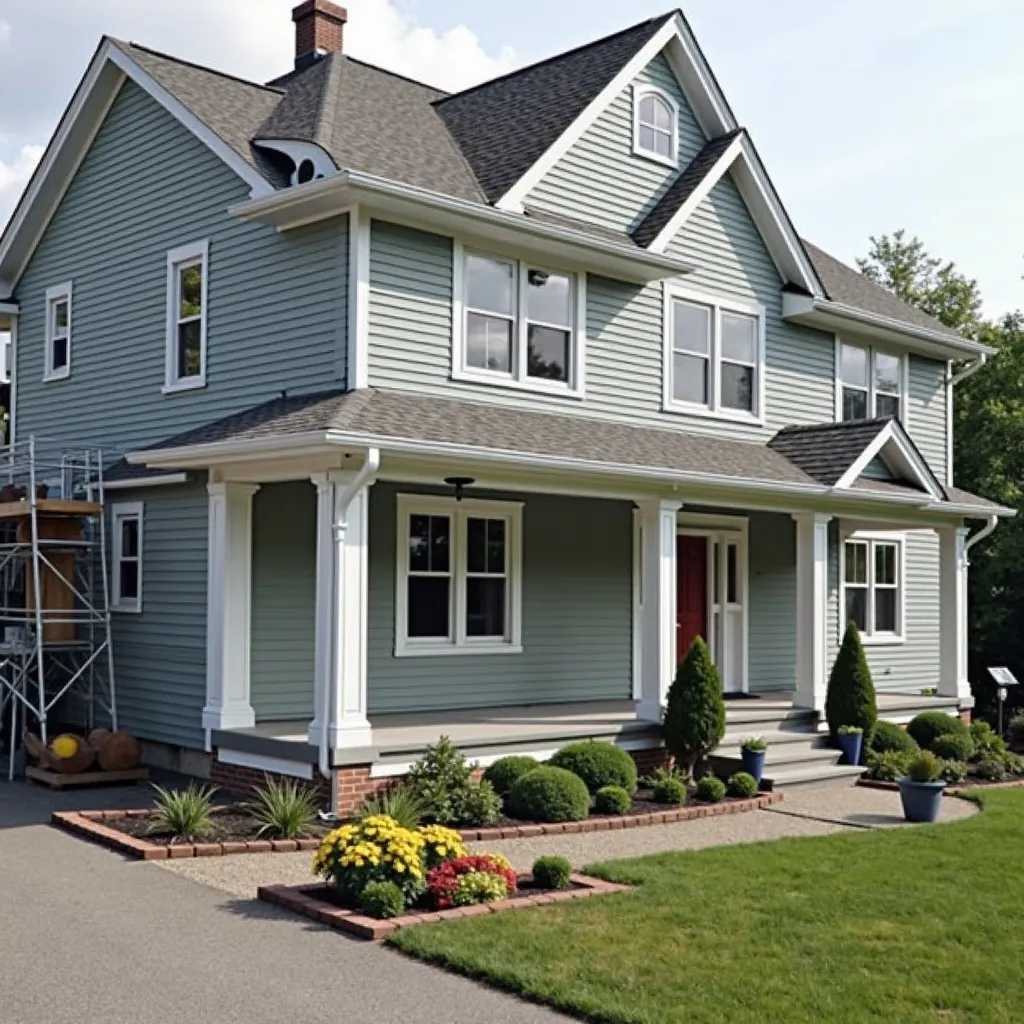
Does Your Home's Siding Need an Upgrade?
What signs should homeowners watch for when deciding whether their siding requires an replacement? Homeowners must conduct a detailed evaluation of their siding's condition. Indicators of deterioration consist of fading, peeling paint, and visible fractures or openings. Additionally, fungus or mildew presence can suggest water issues that might compromise the siding's structural soundness. Homeowners should also check for bending or buckling, which can affect insulation and energy efficiency.
An critical consideration is the age of the siding. The majority of materials have a service life, and if the siding is nearing or surpassing that limit, an replacement may be required. Furthermore, homeowners should evaluate the visual attractiveness; worn or deteriorated siding can detract from a home's street presence. Speaking to experts can provide useful guidance into whether fixing or upgrading is the best course of action, guaranteeing that the home stays attractive and properly maintained.
The Perks of Professional Siding Application
Putting money into professional siding installation provides homeowners numerous benefits beyond just aesthetics. A key advantage is the assurance of superior workmanship. Professional installers have the necessary skills and experience to guarantee siding is applied properly, reducing the chances of costly mistakes. Moreover, they typically use top-notch materials that increase durability and longevity, which can help homeowners save money over time.
Furthermore, expert setup often includes guarantees, offering peace of mind against potential defects. This can be especially valuable in maintaining the property's value over time. Another advantage is the ability to choose from a variety of options and finishes, allowing property owners to select options that best fit their vision and local climate. Ultimately, the knowledge of specialists not only elevates the home's appearance but also adds to its structural soundness.
The Reasons Proper siding Maximizes Energy Efficiency and Defends Your Home
Siding beautifies a home's aesthetic value and is crucial for maximizing energy efficiency and defending the structure. Quality siding materials establish a barrier against extreme weather conditions, minimizing the risk of moisture infiltration that can cause mold and structural damage. Insulated siding options substantially support energy efficiency by cutting down heat loss during winter months and keeping homes cooler in summer. This insulation minimizes the workload on heating and cooling systems, producing lower energy bills. Furthermore, well-installed siding can avert drafts, ensuring a comfortable indoor environment year-round. Additionally, modern siding materials are designed to resist fading, warping, and cracking, which preserves the home's exterior from deterioration. By choosing quality siding, homeowners not only elevate their property's exterior charm but also achieve long-term energy savings and structural integrity, making it a sound choice for any homeowner seeking to protect their investment.
Finding the Top Siding Solution for Your Home
When picking siding material for a home, homeowners must review various factors such as popular options, wear resistance, maintenance requirements, and visual quality. Each material offers separate gains and drawbacks that can affect both the home's visual character and extended lifespan. Understanding these elements is vital for deciding wisely that enhances curb appeal and guarantees sustained worth.
Trending Siding Choices Available
Picking the ideal siding material can substantially upgrade a home's visual character and safeguard it from the outdoor elements. Homeowners routinely explore various common siding choices, each offering special advantages. Vinyl siding is valued for its budget-friendly price and low upkeep demands, making it a go-to option. Wood siding, although rather traditional, offers a warm, genuine appearance but calls for consistent care. Fiber cement siding combines durability with the wood-grain appearance, appealing to those desiring lasting quality while maintaining style. Additionally, brick and stone veneer provide elegant timelessness and exceptional strength, yet they carry a premium cost. By examining these options, homeowners can choose the siding that works best for their aesthetic goals, budget constraints, and practical needs.
Longevity And Maintenance Elements
Selecting the appropriate cladding option depends on its longevity and upkeep needs. Homeowners must consider how different materials handle various weather conditions, pests, and potential damage. Vinyl siding is recognized for its resilience and low maintenance, requiring only occasional cleaning. In contrast, wood siding provides a traditional appearance but demands regular painting or staining to avoid decay and pest problems. Fiber cement siding merges durability with minimal upkeep, withstanding fire and rot while needing fewer upkeep intervals. Metal siding, while exceptionally strong, may be prone to dents and scratches. Ultimately, assessing the durability and care requirements of each material is essential for homeowners aiming to improve their home's exterior appearance while ensuring lasting performance.
Design Attractiveness Deliberations
While assessing siding options, homeowners must consider how visual attractiveness influences the overall character of their property. The choice of siding material greatly influences the appearance of a home, adding to its appeal and market value. Materials such as wood, vinyl, and fiber cement each provide unique textures and colors that can suit various architectural styles. For instance, natural wood siding exudes warmth and character, while vinyl offers a more modern, low-maintenance look. Additionally, homeowners should consider how the siding color works with other elements, such as roofing and landscaping. Ultimately, choosing the right siding material is essential for improving exterior aesthetics and ensuring the home represents the owner's personal taste and style.
Top Color Trends to Enhance Your Home's Exterior
When opting for hues for home exteriors, current design trends highlight the draw of rich, dark tones coupled with subdued, neutral colors. These choices not only elevate street appeal but also forge a well-balanced rapport. In addition, weaving in dynamic accent hues can add a element of individuality and flair to any facade.
Bold, Rich Shades
Bold, deep colors have become a striking choice for property owners looking to elevate their property's exterior. These deep colors, such as navy blue, charcoal gray, and forest green, provide a bold and elegant look that distinguishes itself in any neighborhood. They evoke a sense of elegance and modernity, try now making homes appear more inviting and upscale. Additionally, dark hues can produce a stunning contrast against landscaping, enhancing the overall aesthetic appeal. Many homeowners are selecting these shades not only for their visual impact but also for their ability to conceal flaws and deterioration over time. As a result, bold, dark colors are becoming increasingly popular in siding choices, aligning with contemporary design trends that favor strong, confident statements.
Soft, Neutral Tones
enhances street-side aesthetics while remaining timeless.
Bright Accent Colors
While muted colors provide a serene backdrop, vibrant accent colors can transform a home's exterior into an impressive visual statement. Homeowners are progressively choosing for vibrant shades such as navy blues, bright reds, and bright yellows to draw attention and express individuality. These hues can be painted to doors, window covers, or even entire sections of exterior walls, creating dynamic contrasts against more subdued shades. Furthermore, the right accent colors can enhance design elements, making them more prominent. Current styles also indicate combining bold colors with organic elements, striking a balance between modern aesthetics and classic appeal. In the end, the choice of accent colors not only boosts curb appeal but also reflects the personality and style of the homeowner, making the residence distinctly welcoming.
What to Expect During Siding Installation
During siding installation, homeowners can expect a structured process that transforms the exterior of their property. Initially, a thorough assessment of the existing siding is performed, determining any required fixes or readiness. Following this, the installation team will ready the work area, ensuring safety and efficiency. This may include removing old siding and inspecting the underlying structure for damage.
Once the preparatory work is finished, the installation of the new siding commences, generally starting from the base upward. Proper positioning and securing are crucial to ensure a long-lasting result. Homeowners should anticipate periodic updates from the installation crew, keeping them informed about progress and any unexpected issues.
Upon the siding being installed, a tidying process of the work area is carried out to make the property unblemished. Homeowners can anticipate a significant boost to their home's curb appeal, showcasing the new siding's aesthetic value.
Essential Upkeep Advice for Durable Siding
Properly caring for siding extends its lifespan and enhances the home's look. Regular checks are essential; homeowners should look for signs of harm, such as cracks, bending, or peeling paint. Cleaning siding at least twice a year with a mild soap and water helps remove dirt and mildew, preventing decay.
For vinyl siding, a simple hose rinse can suffice, while wood siding may require more intensive scrubbing. It is also important to guarantee gutters are free of debris to avoid water damage from pooling. Additionally, caulking gaps and repairing any detached sections promptly can protect against moisture intrusion.
Routine checks for pest problems, notably in timber exterior, can further safeguard durability. To conclude, putting on a protective sealant as instructed can strengthen durability and resist weathering, confirming the cladding remains visually appealing and functional for years. By sticking to these important upkeep recommendations, homeowners can preserve their exterior's standard and boost overall curb appeal.
Often Sought FAQs
What Is the Duration of New Siding Normally?
New siding typically endures from 20 to 40 years, depending on the substance applied. Vinyl, wood, and fiber cement each have different durations, affected by climate, upkeep, and installation quality, impacting general longevity.
Can Siding Be Installed Over Current Materials?
Yes, siding can often be placed on top of existing materials, as long as they are in sound shape. This approach can save time and money, but it's crucial to confirm proper insulation and ventilation to prevent moisture issues.
What Protection Plans Is Offered for Siding Options?
Multiple protection plans are provided for siding products, including manufacturer warranties safeguarding against defects, limited lifetime warranties, and labor warranties. Homeowners should assess specifics, as coverage can shift based on manufacturers and installation conditions.
What Impact Does Siding Have on My Home's Resale Value?
Siding significantly impacts a home's selling price by improving aesthetic appeal and energy efficiency. Premium materials and expert fitting can attract potential buyers, often leading to increased bids and a faster transaction in competitive markets.
Can you discover environmentally friendly cladding solutions on the market?
Yes, there are eco-friendly siding options accessible. Choices like reclaimed wood, fiber cement, and vinyl made from recycled content present green selections, enhancing both ecological accountability and visual attractiveness for homeowners desiring greener alternatives.